Introduction
In the world of personal finance, credit and debt are powerful tools—when used wisely, they open doors to opportunities like home ownership, education, and business growth. But mismanagement can lead to a cycle of stress, defaults, and poor credit health.
This guide walks you through:
✅ Responsible credit usage
✅ Understanding credit scores
✅ Smart debt management
✅ Latest options like BNPL (Buy Now Pay Later) and digital lending platforms
✅ Avoiding common pitfalls to maintain financial well-being
???? What is Credit?
Credit is the ability to borrow money or access goods/services with the promise to repay later, usually with interest. It can be secured (backed by collateral) or unsecured.
✅ Common Forms of Credit:
- Credit Cards
- Personal Loans
- Home Loans / Mortgages
- Auto Loans
- Business Loans
- Buy Now, Pay Later (BNPL)
- Overdraft Facility
- Digital Lending Apps
???? Understanding Your Credit Score: The Backbone of Financial Health
???? What is a Credit Score?
A 3-digit score (300-900) that reflects your creditworthiness. The higher the score, the better your chances of securing loans at low-interest rates.
✅ Credit Score Ranges:
| Score | Category | Loan Approval Chances |
|---|---|---|
| 750-900 | Excellent | Very High |
| 700-749 | Good | High |
| 650-699 | Fair | Moderate |
| 600-649 | Poor | Low |
| Below 600 | Very Poor | Very Low |
✅ Major Factors Impacting Credit Score:
- Payment History (35%) – On-time payments
- Credit Utilization Ratio (30%) – % of credit limit used
- Length of Credit History (15%)
- New Credit Inquiries (10%)
- Credit Mix (10%) – Variety of credit types
???? Example: Using ₹30,000 out of your ₹1,00,000 credit card limit = 30% utilization (ideal under 30%)
???? Debt Management: Strategies to Handle Debt Wisely
✅ Good Debt vs. Bad Debt
| Good Debt | Bad Debt |
|---|---|
| Home loans (asset creation) | Credit card debt (high interest) |
| Education loans (skill growth) | Unsecured personal loans for luxuries |
| Business loans (income generation) | Payday loans / unplanned borrowing |
✅ Smart Debt Management Techniques
- Create a Debt Repayment Plan: List debts, interest rates, and prioritize
- Snowball Method: Pay off smallest debt first for psychological wins
- Avalanche Method: Pay off highest-interest debt first to save money
- Consolidate Debt: Merge multiple loans into one with lower interest
- Refinance Loans: Negotiate for better terms if credit score improves
- Automate Payments: Avoid late fees and protect your credit score
- Negotiate with Lenders: Ask for reduced interest or flexible EMIs
✅ Warning Signs of Poor Debt Management:
???? Borrowing to repay debt
???? Only making minimum payments
???? Using more than 40% of credit limit
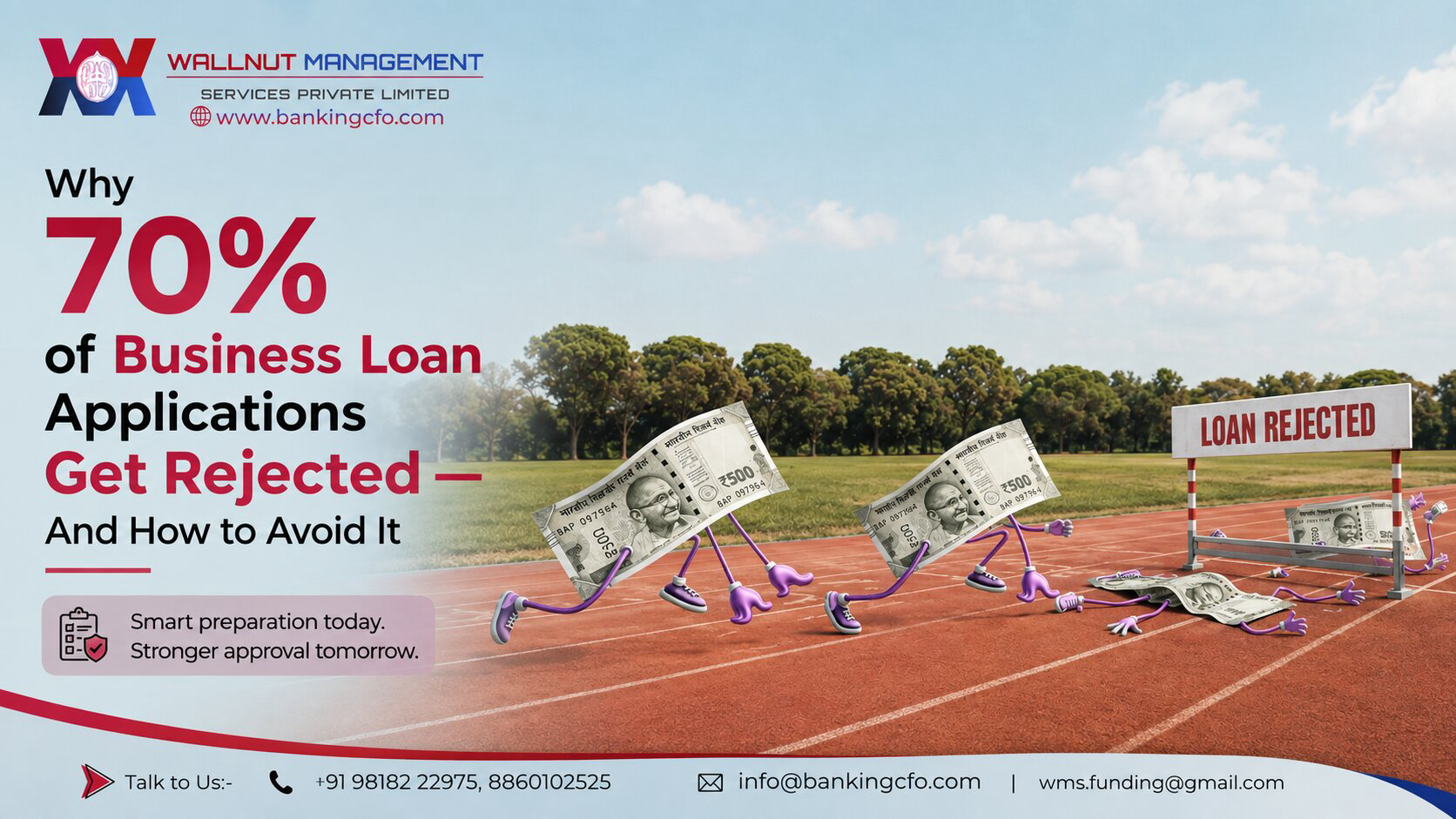
???? Frequent loan rejections
???? Modern Credit and Debt Tools You Should Know
???? Buy Now, Pay Later (BNPL) Platforms
- Providers: ZestMoney, LazyPay, Amazon Pay Later
- Pros: Easy access, no-cost EMI offers
- Cons: Late fees, impacts credit score if misused
???? Digital Lending Platforms & Apps
- Providers: KreditBee, MoneyTap, CASHe
- Fast approval, minimal documentation
- Interest rates can be high; read T&Cs carefully
???? Debt Consolidation Loans
- Combine multiple high-interest debts into one
- Reduces EMI burden and interest costs
???? Credit Score Improvement Services
- Companies helping individuals analyze and fix credit issues
- Example: CIBIL advisory services, CreditMantri
???? Secured Credit Cards
- Great for beginners or bad credit holders
- Backed by fixed deposits
???? Credit Cards: Boon or Bane?
✅ Pros:
- Builds credit history
- Rewards, cashback, offers
- Emergency funds
❌ Cons:
- High interest if unpaid (24%-48% annually)
- Debt trap risk if spending exceeds repayment capacity
???? Tip: Always pay credit card bills in full before the due date
???? How to Improve and Maintain a Healthy Credit Score
- Pay all dues on time (even minimum dues)
- Keep utilization ratio below 30%
- Limit hard inquiries (too many loan applications hurt your score)
- Check your credit report annually for errors (CIBIL, Experian, Equifax, CRIF High Mark)
- Maintain a healthy credit mix (secured + unsecured loans)
✅ Emerging Trends and New-Age Credit Products
- Co-Branded Credit Cards: E.g., Amazon ICICI Card, Flipkart Axis Card
- AI-powered Credit Risk Assessment: Faster loan decisions
- ESG-based lending: Green loans and sustainable finance
- Microloans for MSMEs and gig workers
- BNPL integration with UPI and mobile wallets
???? Actionable Tips to Stay Debt-Free or Debt-Healthy
- Never borrow more than 40-50% of your monthly income
- Avoid borrowing for depreciating assets (except essentials)
- Use windfalls (bonuses, tax refunds) to repay high-interest debts
- Cultivate multiple income streams for faster debt clearance
- Educate yourself—financial literacy is your best weapon
✅ Common Credit and Debt Myths Busted
| Myth | Truth |
|---|---|
| Checking your credit score lowers it | Only hard inquiries affect the score, not checks |
| Zero debt means good credit score | No credit history often means no score |
| Minimum payment is enough | It avoids penalty but builds interest and hurts score |
| All loans are bad | Productive loans like education or home are good |
✅ Conclusion: Credit is Power, Only If You Handle it Wisely
Credit and debt, if managed properly, accelerate wealth creation and opportunities. But careless usage can erode your financial foundation.
✔ Build a strong credit history
✔ Use loans as tools for growth, not lifestyle inflation
✔ Monitor, review, and stay disciplined
???? Remember: Credit is a servant, not your master. Use it smartly and watch your financial life transform.
.