Understanding Liquidity & RBI’s Role
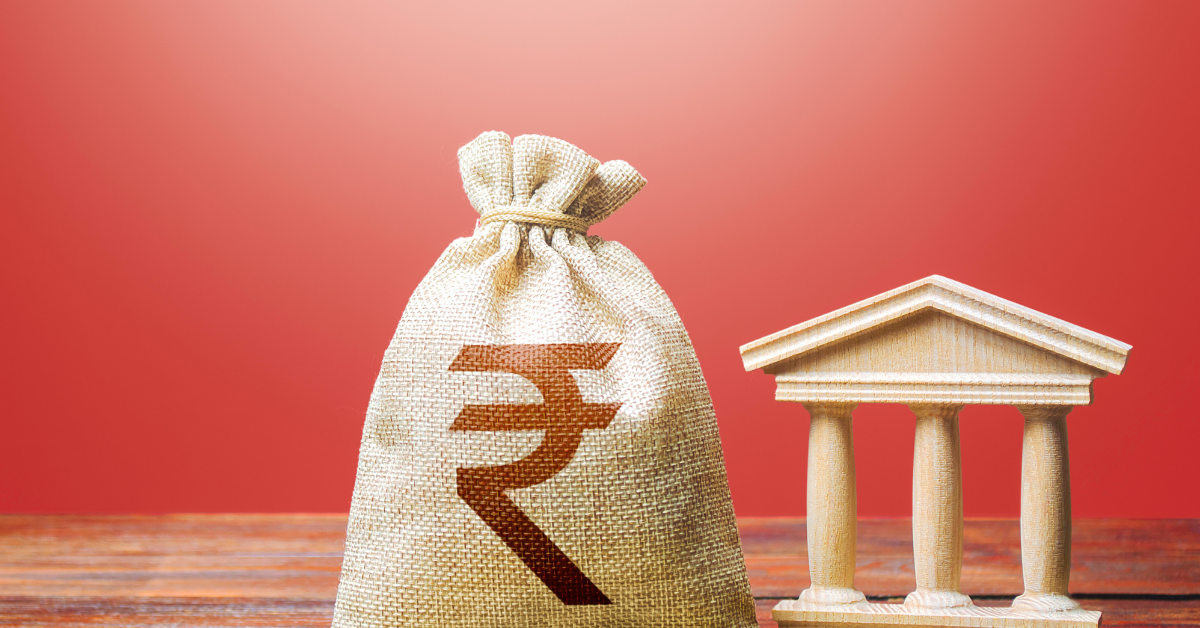
Imagine running a business and facing a sudden cash crunch. Payments are delayed, and you don’t have enough funds to cover expenses. This is where liquidity plays a crucial role. In simple terms, liquidity in banking refers to the availability of cash to meet financial obligations—whether it's lending, withdrawals, or managing operations.
The Reserve Bank of India (RBI) is responsible for ensuring a healthy cash flow in the banking system. When liquidity tightens, businesses struggle, and the economy slows down. To combat this, the RBI has announced a $10 billion liquidity boost—a strategic move to support banks, encourage lending, and stabilize the economy.
What is the $10 Billion Swap Auction?
In technical terms, the RBI will conduct a dollar-rupee swap auction on February 28, 2025. But let’s keep it simple:
- RBI will buy $10 billion from banks and provide them with rupees in return.
- After a set period, banks will return the rupees and get their dollars back.
This method increases liquidity in the system, helping banks offer more loans at better interest rates, strengthening business growth and consumer spending. Additionally, it aims to stabilize the rupee, control inflation, and prevent economic slowdowns.
Expert Opinions: Will This Move Work?
Financial experts are divided on the impact of this liquidity boost:
✅ Supporters (HDFC, ICICI, and Others):
- Banks welcome the move, as it provides them with more cash, allowing for easier loan approvals and lower interest rates.
- Business growth and investment are expected to increase due to easier credit access.
✅ Critics (Raghuram Rajan, Financial Analysts):
- Excessive liquidity could lead to inflation, where prices of goods and services rise uncontrollably.
- If banks misuse the extra cash, over-borrowing could lead to financial instability.
✅ Government’s Standpoint:
- The RBI insists this is a short-term measure to ensure financial stability while keeping inflation under control.
[Source: Reuters, Economic Times, Business Standard]
How Does This Affect SMEs & The Common Man?
For small businesses and everyday citizens, this move brings both opportunities and challenges:
✅ Easier Loan Approvals: More liquidity means banks can lend more easily to SMEs, allowing for expansion, hiring, and innovation.
✅ Lower Interest Rates: More cash in the system leads to cheaper loans, helping businesses and individuals afford housing, cars, and other investments.
✅ Inflation Risks: If too much money floods the market, prices of essentials may rise, reducing purchasing power.
Economic Impact & New Opportunities
The long-term effects of this liquidity boost could reshape the Indian economy:
✅ Strengthening the Rupee: With controlled forex reserves, the rupee remains stable, preventing currency depreciation.
✅ Boosting Business Growth: More liquidity fosters entrepreneurship, investments, and job creation.
✅ Risk of Overheating: If liquidity isn't managed carefully, excessive borrowing could lead to financial crises.
Conclusion: Smart Move or Risky Gamble?
RBI’s $10 billion liquidity injection is a bold yet controversial move. While it provides immediate relief to businesses and lowers borrowing costs, the long-term risk of inflation remains a concern. The success of this strategy hinges on how well the RBI regulates liquidity and ensures that banks use it responsibly.
What Do You Think?
Will this liquidity boost help your business? Drop your thoughts in the comments!
.